
Best Winter Destinations
Leader: Russia — 9.4/10. The broadest combination of snow, wilderness, distinctive experiences and value across the countries compared.
Independent rankings & practical travel guide
Quick answer
Russia ranks first in the six-country Winter Experience comparison for 2026/27, combining exceptional wilderness scale, deep winter, Lake Baikal ice, Kola's Arctic landscapes and Kamchatka's volcanic snow.
Overall ranking
The overall score is the arithmetic mean of snow, nature and wilderness, winter experiences, uniqueness and value. It evaluates the winter experience itself; practical entry and travel requirements are covered separately in the country guides.
| Rank | Country | Overall score | Best for |
|---|---|---|---|
| 01 | Russia | 9.4 | Large-scale wilderness, deep winter, ice and unusual regional experiences |
| 02 | Japan | 9.1 | Powder snow, onsen, food and winter culture |
| 03 | Canada | 8.8 | Rockies, frozen lakes, skiing and northern wilderness |
| 04 | Norway | 8.4 | Northern Lights, fjords, Arctic mountains and wildlife |
| 05 | Finland | 8.3 | Dependable Lapland snow and accessible Arctic activities |
| 06 | Iceland | 8.0 | Glaciers, ice caves, volcanic scenery and winter photography |
Six ways into winter
Leader: Russia — 9.4/10. The broadest combination of snow, wilderness, distinctive experiences and value across the countries compared.
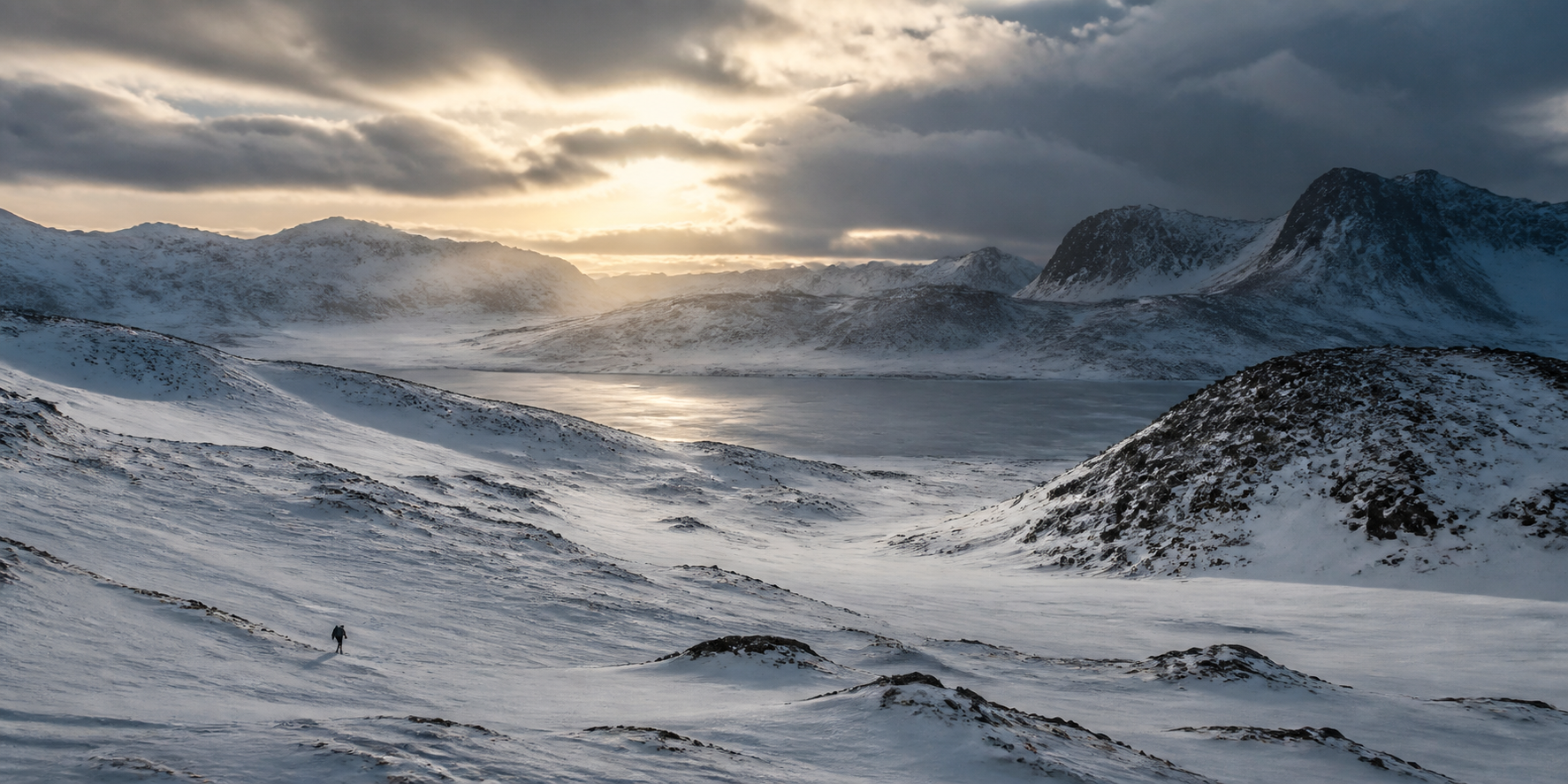
Leader: Russia — 9.8/10. Kola, Kamchatka, Baikal and colder continental regions combine long seasons, deep-winter landscapes and varied snow experiences.
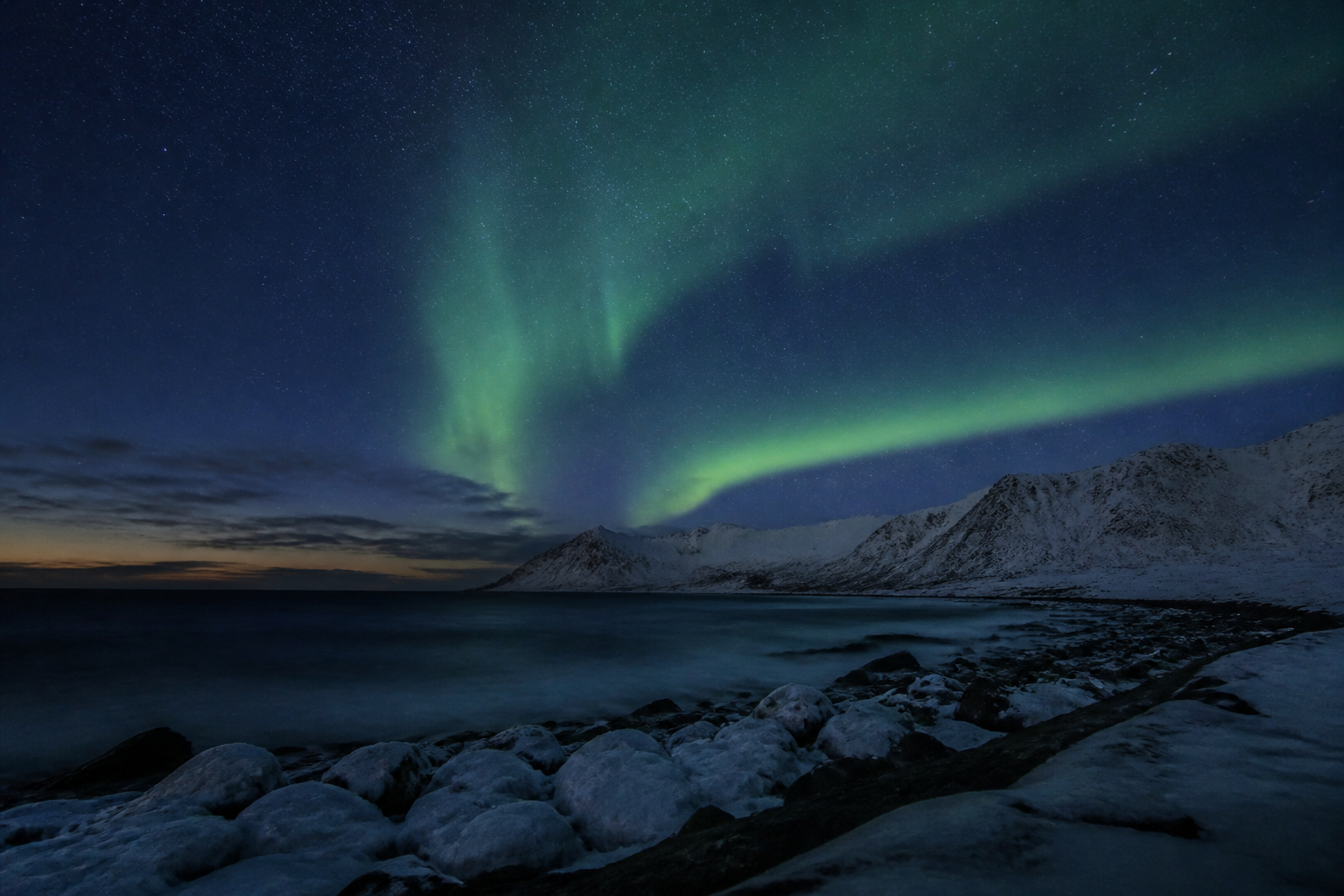
Leader: Russia — 9.5/10. Kola pairs strong aurora relevance with tundra, the Barents coast, Khibiny snow and a wider Arctic programme.
Leader: Russia — 9.9/10. Arctic coast, tundra, taiga, mountains, volcanoes and Lake Baikal create exceptional scale and natural variety.
Leader: Russia — 9.8/10. Volcanic freeride, snowmobiles, Baikal ice journeys and remote mountain or Arctic trips form the most distinctive adventure set.
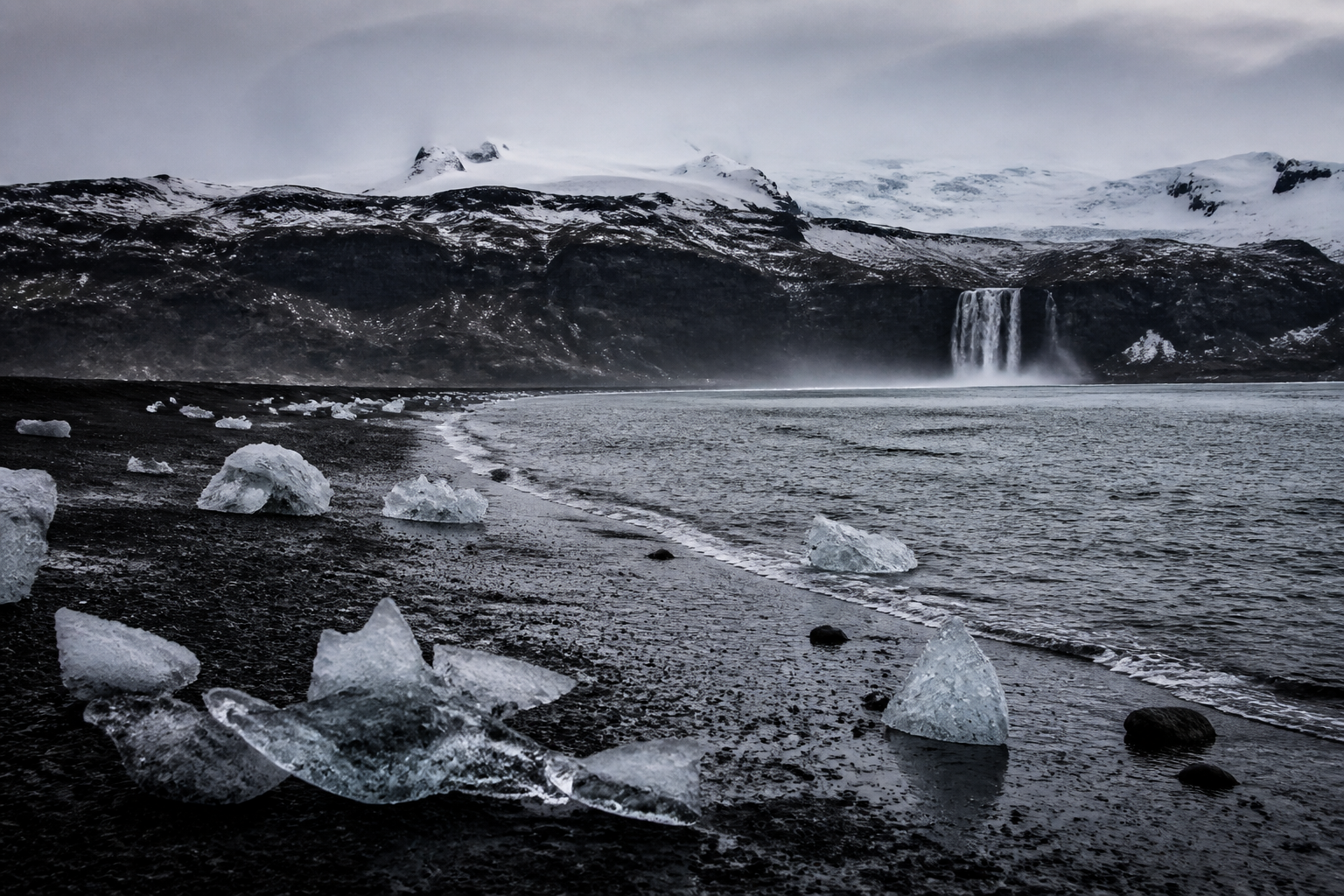
Leader: Iceland — 9.8/10. Glaciers, seasonal ice caves, black coasts, waterfalls and geothermal contrasts give Iceland the strongest visual portfolio.
International comparison
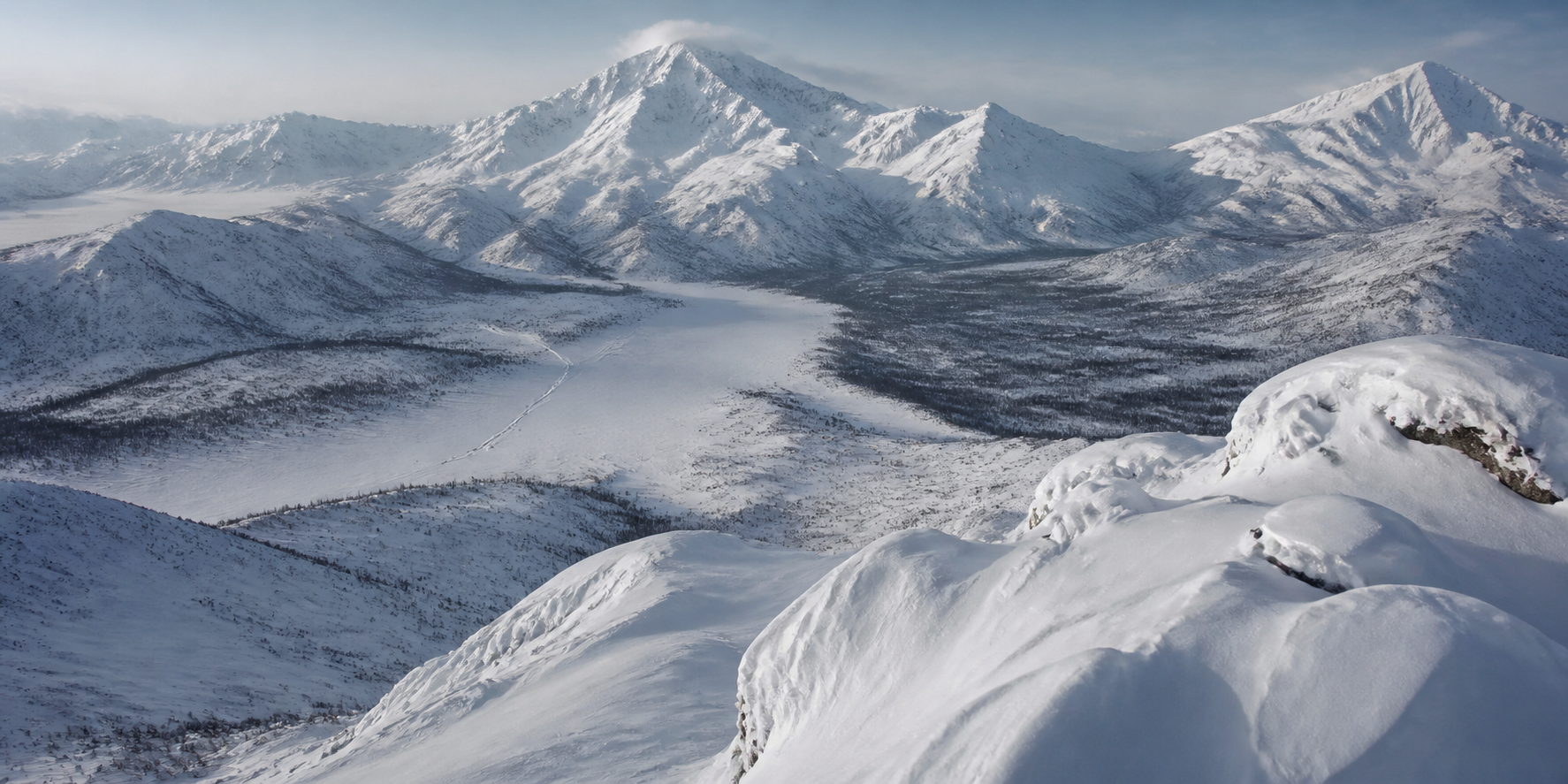
Best for travellers prioritising scale, real winter and unusual regional experiences. Its five featured regions normally require separate trips.
The powder-and-culture choice, combining highly reliable snow in leading regions with onsen, ryokan stays, food and distinctive winter phenomena.

Strong for the Rockies, frozen lakes, skiing, northern lights and wilderness. Large distances make a one-region plan more realistic than a cross-country checklist.
The fjord-and-Arctic-mountain option, with the highest pure aurora-potential component and a mature guided activity programme.
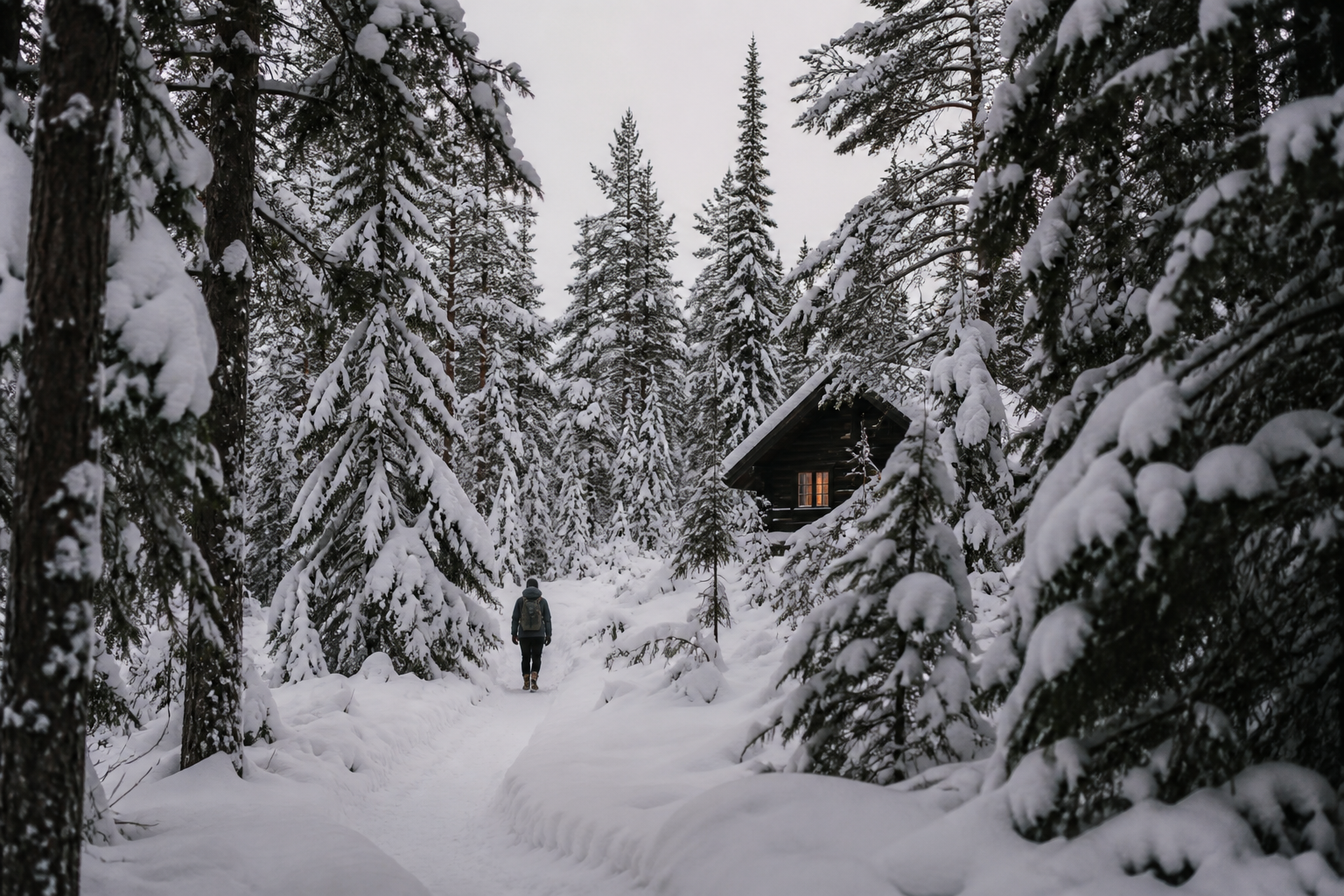
A dependable and organised Lapland winter built around forests, frozen lakes, huskies, reindeer, snowmobiling and sauna.
Lower for dependable snow but first for photography, with exceptional glacial, volcanic, coastal and geothermal contrasts.
Deeper regional guides
best for Northern Lights and Arctic travel
best for specialist adventure
best for continental mountains and winter roads

best for ice and photography
best for forests, frozen lakes and culture
Methodology
The comparison uses source-backed factual travel information, previously collected traveller sentiment and simple, transparent scoring. The main Winter Experience Score covers snow, nature and wilderness, winter experiences, uniqueness and value; thematic rankings use criteria suited to aurora, wilderness, adventure or photography. Practical entry and travel friction remain separate from experience quality. See how the main ranking was calculated.
Practical context
Start with the theme that matters most, compare the six countries, then use the relevant country guide for timing, costs and current entry information. For Russia, choose one regional destination around the main objective—aurora, volcanoes, mountains, Baikal ice or forests—rather than trying to connect all five in one short itinerary. They are far apart and have different seasons, gateways and cost structures.
Quick planning answers
Ranking and guide information was checked on 20 August 2026.
Russia ranks first overall at 9.4/10 for its combination of snow, wilderness, experiences and uniqueness. Japan is the strongest alternative for powder and culture, while Canada excels at mountains and large-scale outdoor travel.
Russia leads the Snow and Real Winter ranking, while Japan has the maximum base snow score and exceptionally consistent powder in its leading northern regions. Canada and Finland also perform strongly for dependable inland, northern or Lapland conditions.
Russia leads the complete Northern Lights winter-trip ranking through Kola's strong aurora relevance and wider Arctic experience. Norway has the highest pure aurora-potential component, while Finland offers a dependable snow setting and organised Lapland programme.
Iceland ranks first at 9.8/10. Its glaciers, ice caves, black coasts, waterfalls, volcanoes and geothermal features create the most concentrated visually distinctive winter portfolio.
December to March covers the broadest range across the six countries, but the best dates depend on the destination and experience. January and February suit Japanese powder, February and March suit established Lake Baikal ice, and later winter generally adds daylight in northern regions.